

Energy-generating floor
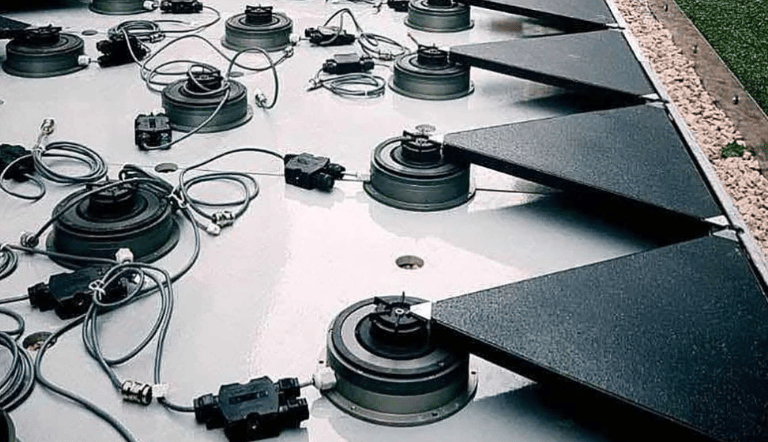
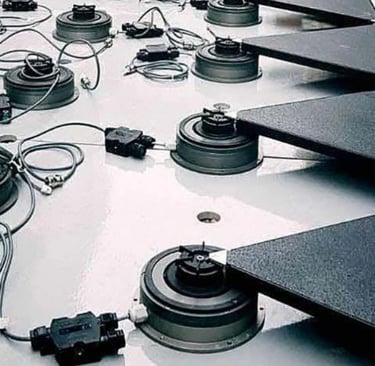
In the search for sustainable and innovative solutions, a UK-based company developed, back in 2009, a technology capable of converting human movement into electrical energy. The concept was born from the founder’s vision of creating a clean energy alternative by harnessing pedestrian flow in high-traffic areas.
After more than 350 prototypes, the company reached its current model: interconnected triangular platforms, each equipped with small generators at their three corners. Every time a person steps on the tiles, internal mechanisms are activated, spinning at high speed to convert kinetic energy (from movement) into electrical energy, which can be stored in batteries or used directly to power low-demand systems.
Each step generates between 2 and 5 joules of energy—relatively small in isolation. For comparison, a standard light bulb consumes around 60 joules per second. However, in environments with high pedestrian traffic, the cumulative energy can become meaningful and useful.
Installations have already been deployed in airports, universities, urban streets, and shopping centers across Europe, Asia, and the Americas.
Applications and benefits
Although the technology is not intended to power cities or large-scale industrial demands, it has proven viable for specific applications, such as:
lighting for public spaces and walkways
activation of interactive installations (such as dance floors or exhibitions)
support for temporary events, such as festivals and sporting events
pedestrian flow monitoring through integrated sensors
Advantages:
Clean and renewable energy: harnesses an underutilized resource—human movement
Interactivity and engagement: transforms spaces into technological and sustainable experiences
Data collection: enables real-time monitoring of pedestrian traffic
Challenges:
Initial cost: like any emerging technology, it still involves relatively high investment, especially at scale
Limited efficiency: requires high foot traffic to generate meaningful energy
Durability and maintenance: must ensure consistent performance under heavy use and exposure to weather conditions


© 2025 Vitrine de Inovação. All rights reserved.
Follow us on Instagram as well
contato@vitrinedeinovacao.com
CNPJ: 65.902.817/0001-09