

Holographic glass
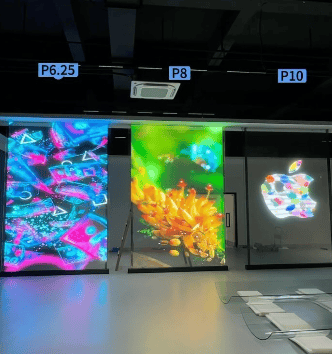
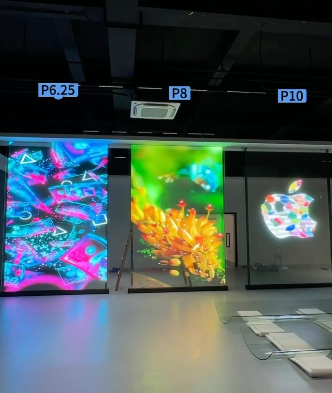
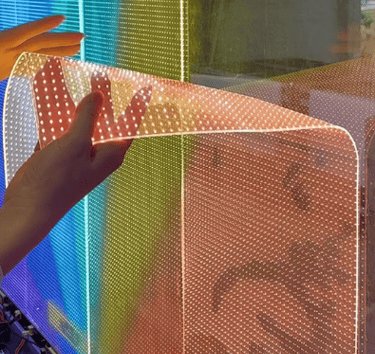
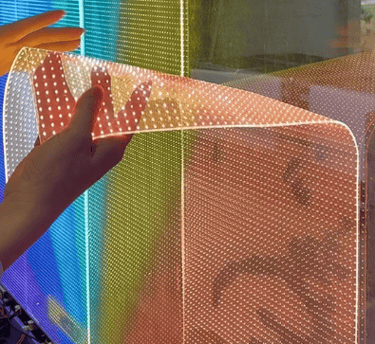
Among emerging technologies applied to architecture and interior design, so-called smart glass with projection capability is gaining attention for transforming ordinary surfaces into interactive digital interfaces. This type of glass may appear as a conventional panel when turned off, but once activated, it can display images, videos, or visual information that seem to float in the air in front of the transparent surface.
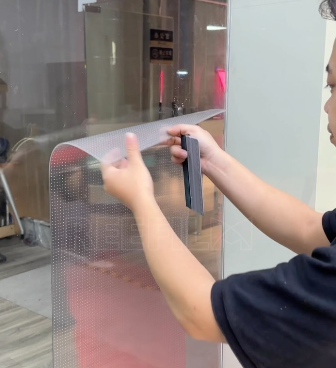
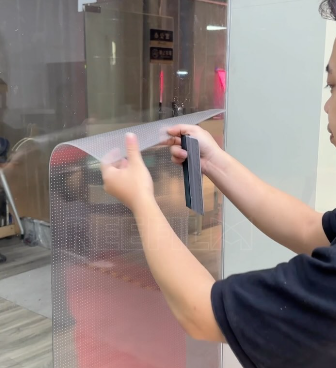
The technology works through the combination of laminated glass with special liquid crystal or electrically controlled polymer films, capable of changing their optical properties when an electric current is applied. In many cases, these surfaces can simultaneously function as architectural partitions and high-definition projection screens. When the system is off, the glass can appear translucent or transparent. Once powered, its internal structure reorganizes at the molecular level, creating a surface suitable for displaying digital content.
The visual effect can create the sensation that images are suspended in space, especially when the glass is integrated with advanced lighting and projection systems. This feature is commonly used in environments seeking more immersive experiences.
Beyond its visual impact, this technology also offers functional versatility. The same panel can serve as a transparent partition, a projection surface, or an instant privacy element, depending on the system’s electrical configuration. In corporate projects, for example, the glass can become a display for presentations or visual communication, while still maintaining transparency when not in use.
Another relevant aspect is its integration with automation systems and smart buildings, allowing the glass to respond to digital commands, sensors, or applications. In this way, architectural surfaces begin to take on digital functions, bringing buildings closer to the concept of interactive interfaces embedded within the built environment.
With the advancement of smart materials and projection technologies, solutions like this point to a clear trend: the transformation of traditional building elements into technological platforms capable of communicating, informing, and interacting with users.
© 2025 Vitrine de Inovação. All rights reserved.
Follow us on Instagram as well
contato@vitrinedeinovacao.com
CNPJ: 65.902.817/0001-09