

Hydroceramic
With the advancement of sustainable solutions in construction, new materials are gaining attention for their ability to combine thermal performance with energy efficiency. A promising example is hydroceramic, an innovative material designed to passively regulate indoor temperatures without consuming electricity.
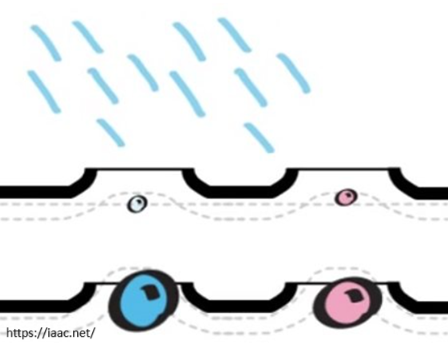
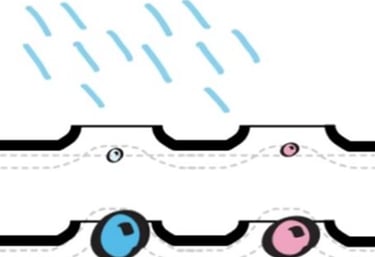
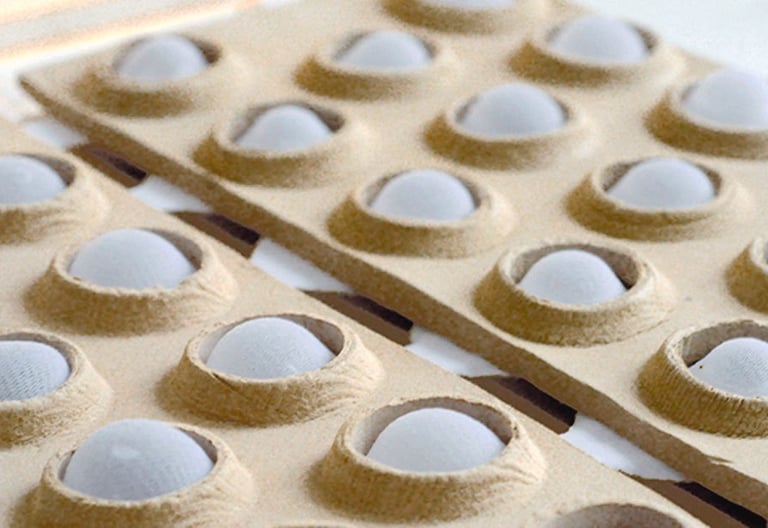
This system combines a ceramic base with hydrogel particles embedded within its structure. Hydrogel is a polymer capable of absorbing and retaining large amounts of water (up to 400 times its own weight). When ambient temperatures rise, the material releases the stored moisture through evaporation, creating a natural cooling effect that directly improves indoor thermal comfort.
Unlike conventional HVAC systems, hydroceramic does not rely on mechanical equipment. Its operation is passive and adaptive: on hot days, it cools the environment by releasing moisture; on cooler days, it retains water and acts as a lightweight thermal insulator. This simple dynamic, inspired by the behavior of human skin, is what makes the technology highly efficient.
Why use hydroceramic in construction?
Reduced energy consumption for artificial cooling
Passive thermal comfort, with no noise and minimal maintenance
Versatile application in façades, partitions, and interior finishes
Direct contribution to green building certifications such as LEED and AQUA
Particularly suitable for hot and dry climates, where evaporative cooling is most effective
Hydroceramic was developed in Spain and is still in the development and large-scale testing phase. Even so, it represents a promising path toward more adaptive, bioclimatic, and sustainable buildings. Integrating this type of technology into architectural design is not just a technical choice—it is an innovative response to today’s climate and urban challenges.
© 2025 Vitrine de Inovação. All rights reserved.
Follow us on Instagram as well
contato@vitrinedeinovacao.com
CNPJ: 65.902.817/0001-09